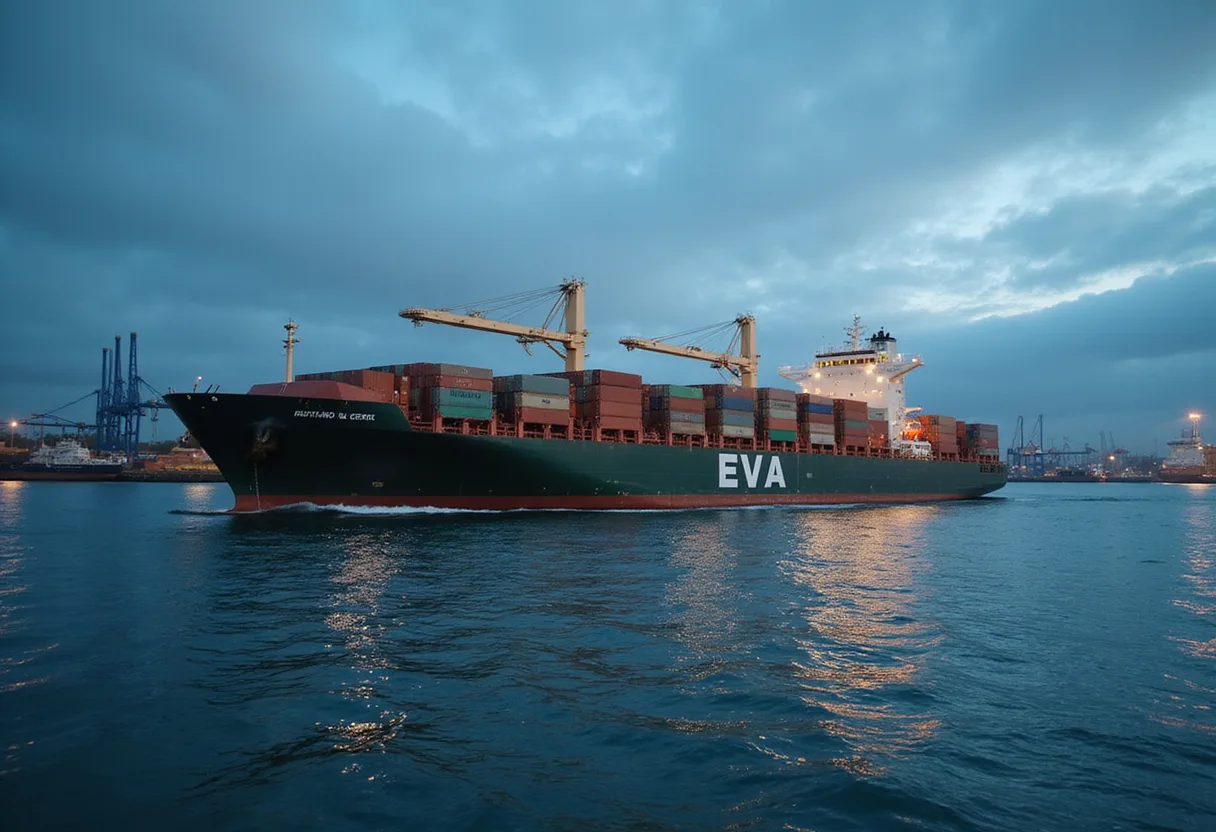
Ceva Logistics Cyberattack Disrupts European Retailers and Steam Deliveries
Ceva Logistics, one of the world's largest third-party logistics providers, has suffered a cyberattack that is disrupting warehouse operations for retailers and Valve's Steam customers across Europe.
The incident hit Ceva's logistics network serving retail clients and physical-goods fulfilment tied to Steam, according to a report published by The Record from Recorded Future News. The disruption exposes how a single logistics vendor outage propagates through dozens of downstream brands within hours.
What is Ceva Logistics?
Ceva Logistics is a global contract logistics operator. The company moves inventory, handles customs clearance and runs fulfilment centres for retailers, consumer goods firms and technology companies across more than 100 countries.
The Marseille-headquartered firm, majority-owned by shipping line CMA CGM, serves clients ranging from apparel brands to consumer electronics manufacturers. Many inventory movements into European retail channels pass through Ceva-run facilities — making the company a supply-chain chokepoint, much as cloud outages concentrate risk in hyperscaler infrastructure.
Why did Steam distribution suffer?
Valve operates Steam mainly as a digital distribution platform for games. But the company also sells hardware — Steam Deck, controllers, accessories and retail game keys — through European retail and direct-to-consumer channels. Physical-goods movement for those products runs through logistics contractors such as Ceva.
When Ceva's systems degrade, Steam customers see delayed retail orders and broken tracking pages even though the digital storefront stays online. The visible Steam-side impact comes from physical distribution disruption, not platform downtime.
What does the attack mean for retailers?
For European retailers with Ceva exposure, the fallout extends beyond late deliveries. Several operational concerns emerge immediately:
- In-transit inventory stranded at sorting or fulfilment sites
- Inventory synchronization broken between warehouse systems and retailer-side platforms
- Returns processing delayed while inspection workflows wait on partner systems
- Cross-border customs and tracking tools dependent on logistics-provider infrastructure
Each bullet compounds. A single logistics-provider breach triggers dozens of micro-outages across customer enterprise environments.
How does this fit the broader threat picture?
Third-party logistics and managed-service providers have become high-value targets for financially motivated threat actors. The combination of operational technology, partner credentials, sensitive shipping manifests and tight delivery windows creates leverage — one breach pressures hundreds of downstream companies simultaneously.
Recorded Future and other industry trackers have logged a steady rise in attacks against logistics, shipping and warehousing operators over the past two years. The Ceva incident adds another name to a growing list of supply-chain breaches.
What should enterprises do now?
Risk teams at retailers with Ceva exposure should treat this as a Tier-1 supplier incident. Immediate actions:
- Confirm alternative routing for in-transit inventory
- Verify backup procedures for warehouse-management data
- Audit integration credentials that may have been exposed through Ceva connections
- Press Ceva for incident timelines and recovery estimates
Steam distribution partners should expect continued delays on physical merchandise and update customer-service messaging accordingly.
The takeaway for CIOs is structural. Logistics partners carry the same risk profile as enterprise software dependencies. Real-time visibility into partner-side outages matters more than monthly service-level reports — a logistics breach hits retailers' revenue well before any public post-mortem appears.
Source: Google News: data breach enterprise
Tom Whitfield
Show full bio
Market editor covering people, launches and day-to-day practice in enterprise information technology and the leaders who run at CIO Monitor.