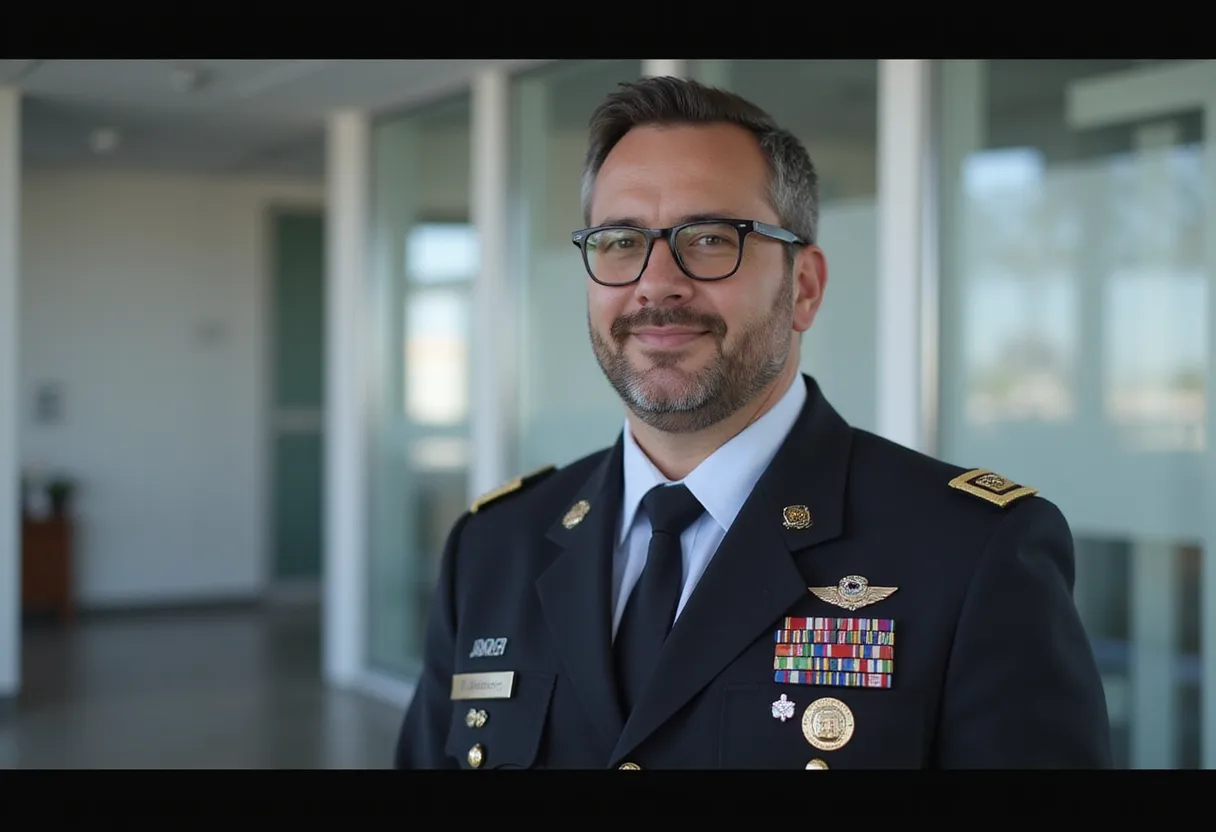
Keith Hardiman Appointed Deputy CIO for Air Force and Space Force
The Department of the Air Force has appointed Keith Hardiman as deputy chief information officer for the Air Force and Space Force, DefenseScoop reported. The announcement itself carried the news. The details did not follow.
Who is Keith Hardiman?
Hardiman now holds the No. 2 technology post across both services. That portfolio covers the Air Force and the Space Force, roughly 700,000 personnel combined under a single CIO organization. The deputy CIO typically oversees enterprise IT policy, cloud adoption and cybersecurity posture for both branches.
What the announcement did not say matters as much as what it did. No start date appeared in the reporting. No predecessor was named. No acting official was identified as handing over the desk. Readers should treat the appointment as confirmed, but the transition timeline as open.
What does the role control?
The deputy CIO position sits inside one of the largest technology estates in the U.S. government. The job covers policy and strategy for networks, enterprise software and digital modernization across two services.
Key responsibilities ordinarily include:
- Enterprise IT policy for the Air Force and Space Force
- Oversight of cloud and data strategies
- Cybersecurity standards across both services
- Coordination with Pentagon-level CIO offices
The reporting did not specify which of these portfolios Hardiman takes directly. Every appointment announcement promises continuity and modernization. This one offered no quotes, no priorities and no budget figures to test against.
What is not said?
The DefenseScoop report confirms the appointment and little else. It names Hardiman. It names the two services. It stops there.
Absent from the record:
- Hardiman's prior role and career background
- The effective date of the appointment
- Who he reports to by name
- Whether the post was vacant or filled on an acting basis
- Any stated priorities or modernization targets
That silence is not unusual for personnel moves at this level, but it limits what enterprise readers can assess. The appointment signals leadership stability at the top of Air Force IT. It does not yet signal direction.
Why it matters for enterprise buyers
Defense CIO offices shape procurement at scale. Decisions on cloud contracts, zero-trust architecture and software licensing flow from these desks to vendors across the market. A new deputy CIO can shift priorities for programs worth billions of dollars annually across the defense technology base.
What comes next?
Watch for three things. First, a formal biography from the Air Force filling in Hardiman's background. Second, his first public remarks at a defense technology forum. Third, budget documents that reveal his name attached to specific programs.
Until then, the appointment stands as a name and a title. Hardiman holds the deputy CIO job for both services as of this week's announcement. Everything else, from his agenda to his start date, remains unreported.
Source: Google News: CIO enterprise IT
Daniel Okafor
Show full bio
Staff writer covering technology and product news in enterprise information technology and the leaders who run at CIO Monitor.