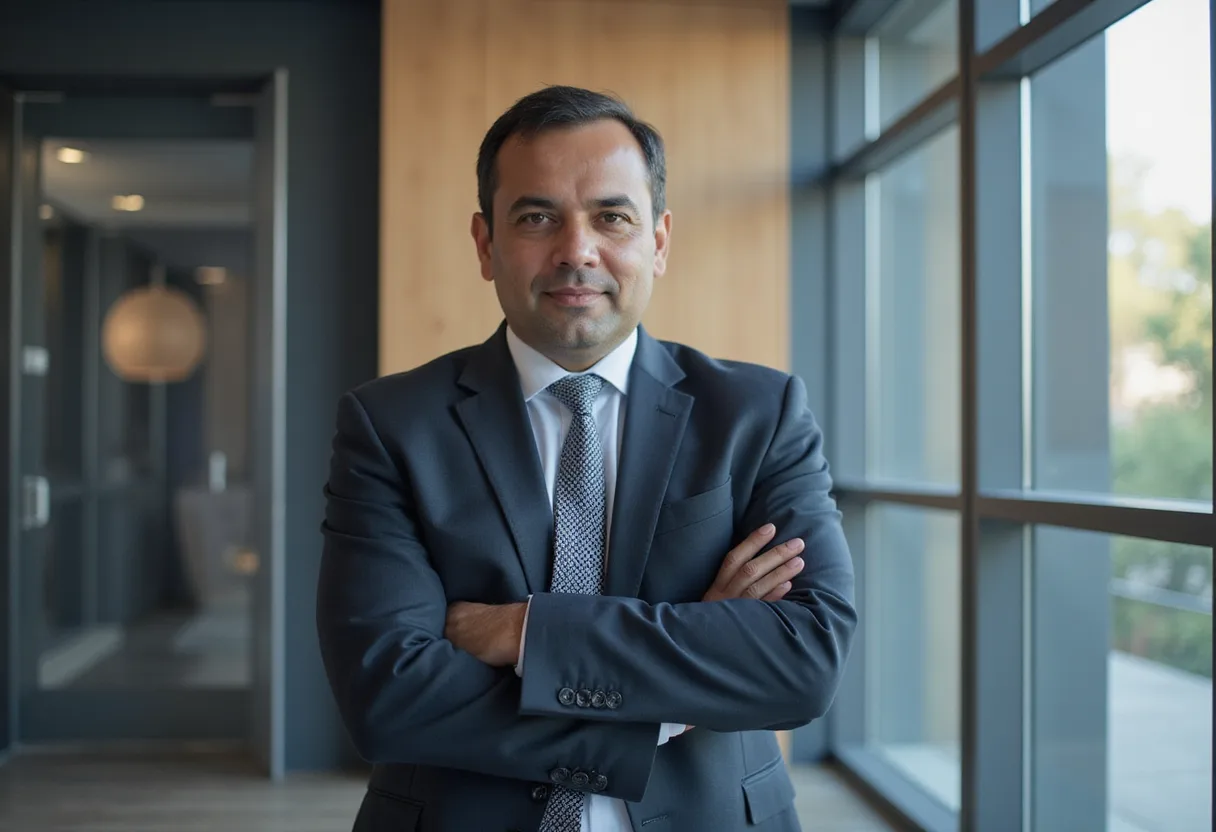
ScottsMiracle-Gro Names CIO to Lead SMG 2.0 Tech Push
ScottsMiracle-Gro has named a new chief information officer to lead enterprise technology transformation under the company's SMG 2.0 growth strategy, the company announced.
The incoming CIO will own the digital platforms, data infrastructure, and integration work required to convert the Ohio-based consumer lawn-and-garden company's fragmented technology estate into a unified backbone for direct-to-consumer sales, advanced analytics, and modern supply-chain operations.
What does the CIO mandate cover under SMG 2.0?
SMG 2.0 is ScottsMiracle-Gro's internal designation for its multi-year operating plan, focused on margin expansion, revenue diversification, and cost discipline across the company's portfolio of lawn-and-garden consumer brands.
The CIO mandate sits at the operational core of that plan. The available announcement does not enumerate specific workstreams, but the role's scope — as the single accountable executive for technology — places platform consolidation, data unification, cloud migration, cybersecurity hardening, and AI-enabled analytics under the CIO's authority.
The mandate amounts to a structural decision: technology execution becomes a named, board-visible workstream rather than a cost line buried in shared services. CIOs in consumer-products companies typically spend their first years consolidating fragmented systems before measurable margin or revenue impact appears in quarterly disclosures.
Why elevate IT to a top-line function?
ScottsMiracle-Gro's decision to install a CIO as the named owner of technology under SMG 2.0 — rather than dispersing IT accountability across operations, marketing, or finance — reflects a pattern now standard across consumer-products issuers.
In seasonal lawn-and-garden consumables, retailer concentration, weather-driven demand volatility, and rising input costs have compressed category margins for years. A CIO-led transformation tied directly to a named growth strategy is the playbook issuers use to break that compression by extracting margin from data unification, platform consolidation, and direct-to-consumer revenue.
The structural bet is straightforward: the same consumer-product portfolio can carry higher contribution margins if technology delivers cleaner demand forecasts, fewer stockouts at retail, and lower customer-acquisition costs across digital channels.
The competitive pressure is real. Retailer buying power has concentrated further as mass-channel consolidation continues, and e-commerce shelf space has reset customer-acquisition economics. Technology functions that cannot deliver granular, real-time data on either dynamic become a structural cost, not an asset.
What enterprise IT leaders should watch
Three signals will indicate whether the appointment produces operating change:
- Reporting line and authority. A CIO reporting to the CEO or board signals operating-level authority; a CIO reporting to the CFO signals a cost-out mandate only.
- First capital-allocation move. A platform-replacement program, a data-lake build, or a cloud-migration line item in the next capital plan will indicate priority.
- Talent moves. Whether the incoming CIO imports external leadership or promotes from inside will signal the company's appetite for operating-model change versus incremental modernization.
What remains undisclosed
The available announcement does not specify the incoming CIO's name, prior role, start date, or reporting line. CIO Monitor will update this story once the company publishes those details or files the appointment in its next quarterly disclosure.
Source: Google News: CIO enterprise IT
Amara Osei
Show full bio
Correspondent covering regulation, policy and their impact on enterprise information technology and the leaders who run at CIO Monitor.